Oops! Something went wrong while submitting the form.
Oops! Something went wrong while submitting the form.
.png)

.png)

A South Carolina circuit court judge struck down Folly Beach's short-term rental cap ordinance and an associated permit fee on August 14, 2026, finding both violated state law. The ruling directly affects vacation rental operators and Airbnb and Vrbo hosts on the popular barrier island near Charleston, though the city has announced plans to appeal, which could suspend the decision.
The lawsuit was brought by Park Lane Partners LLC and Elizabeth Spratt Cooper, who purchased a Folly Beach property in 2017 to operate as a short-term rental business. The suit, filed in Charleston County in August 2024, challenged the legal foundation of the ordinance following hearings in January and April 2026.
In February 2023, Folly Beach voters approved a referendum limiting short-term rental properties on the island. The resulting ordinance created two categories of short-term rental licenses: investor short-term rentals and owner-occupied short-term rentals. It capped investor STR licenses at 800, while placing no numerical limit on owner-occupied licenses. Operators were required to obtain a business license, pay a license tax, and pay a separate permit fee.
At the time of the referendum, the cap was seen as a direct response to housing pressure on the island. At one point, nearly half of the homes on Folly Beach were operating as short-term rentals, prompting concerns about the loss of residential character and availability of long-term housing.
Judge Thomas J. Rode, of the Ninth Judicial Circuit covering Charleston and Berkeley counties, concluded that the referendum was an improper mechanism for imposing a tax. South Carolina law does not permit a tax to be levied through a ballot measure; that authority rests with city councils, not voters acting through a referendum.
The revenue-based permit fee drew equally sharp scrutiny. Rode found that the rental registration fee, calculated on a property's gross revenue and deposited into the city's general fund rather than funding any specific service, amounted to an unauthorized tax. The city itself conceded the fee was not a genuine service charge. Rode characterized the permit fee as an "improper tax disguised as a fee."
Critically, the ruling did not weigh in on whether a permit cap on short-term rentals is good or bad policy. The city noted in a public statement that "the ruling made no judgement on the cap itself, only on how it was adopted."
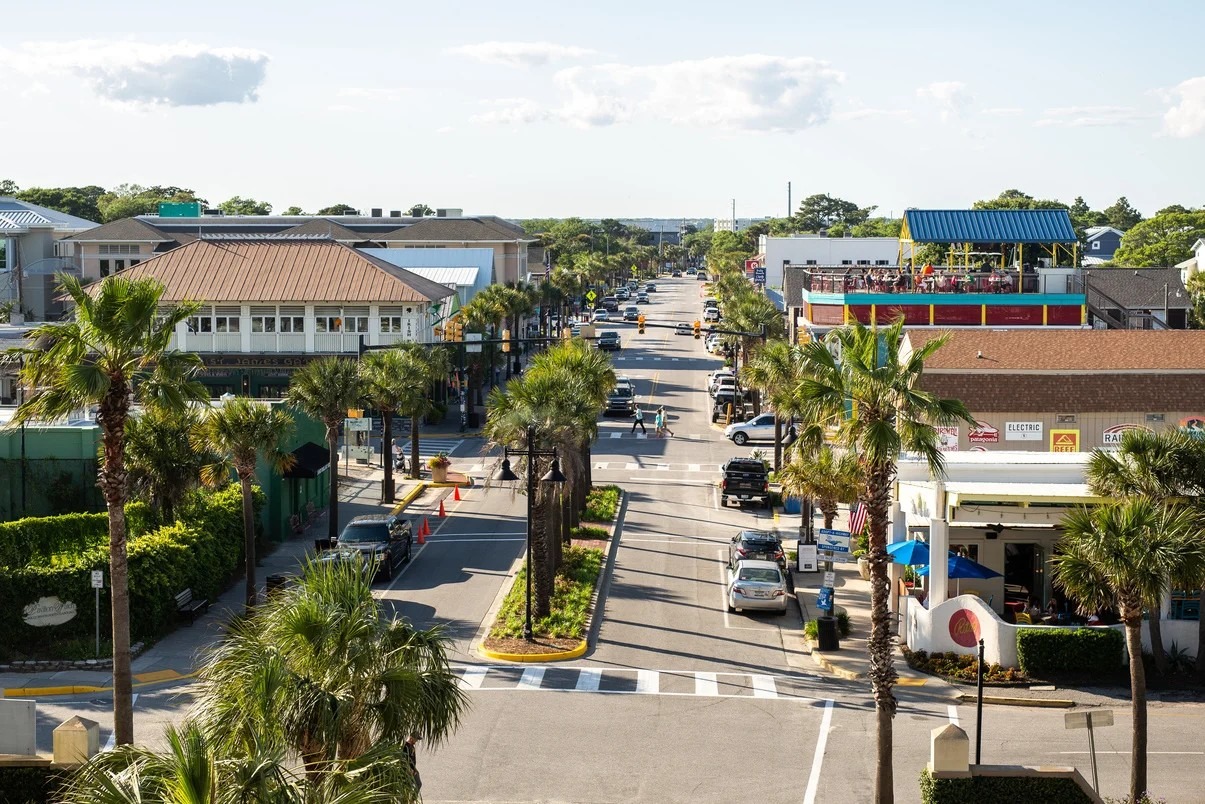
The city said it will not immediately stop enforcing the cap because it intends to appeal. It also stated it will not propose any immediate changes to rental ordinances or procedures, and that any future proposals would be advertised for public review in advance of council consideration.
This matters practically for STR operators: until an appellate court weighs in, the 800-permit cap remains in active enforcement. Hosts on the waitlist for investor licenses have no immediate relief from this ruling.
This decision reverses the direction set just months ago by a separate court. In March 2026, a South Carolina appeals court upheld Folly Beach's 800-permit cap in a related challenge, ruling that the policy regulated business licenses rather than zoning. That distinction was central to the earlier legal challenge, and the court sided with the city.
The new ruling from Judge Rode approaches the question from a different angle, focusing on the taxing authority used to create the permit framework, not the cap's zoning or licensing character. The conflict between these two findings is likely to be central to the appeal.
This dynamic is not unique to Folly Beach. Coastal communities across the country have faced similar legal collisions between locally adopted STR restrictions and state-level preemption laws. In Florida, state preemption legislation has repeatedly limited the ability of municipalities to restrict short-term rentals, and courts in states like Arizona and Tennessee have issued decisions narrowing local authority on fees and licensing structures. South Carolina does not have a blanket state preemption law for STRs, but this case signals that the boundaries of municipal authority remain actively contested.
The city's appeal filing will determine whether the August 14 ruling is paused pending appellate review. If the appeal is accepted and a stay is granted, the cap and fees remain enforceable. If no stay is issued, the ordinance's legal standing becomes uncertain.
Separately, the Folly Beach City Council continues reviewing the STR ordinance as part of a broader policy process, seeking independent data on how potential changes could affect the island's housing market, tourism, quality of life, and property values. That review was already underway before the court ruling and may now move faster given the legal pressure.
Hosts with active investor STR licenses are not immediately affected, but the underlying framework governing those licenses is now under legal challenge. Any operator operating under or applying for a Folly Beach investment STR permit should monitor both the appeal timeline and council activity closely.
Lodge Compliance tracks short-term rental regulations, licensing, permitting, zoning, and tax requirements across thousands of jurisdictions, helping hosts stay informed as local rules evolve.
Not sure what this means for your property? Get your free compliance report at lodgecompliance.com
.jpg)


.png)


.jpg)
.jpg)
.jpg)
.png)