Oops! Something went wrong while submitting the form.
Oops! Something went wrong while submitting the form.
.png)

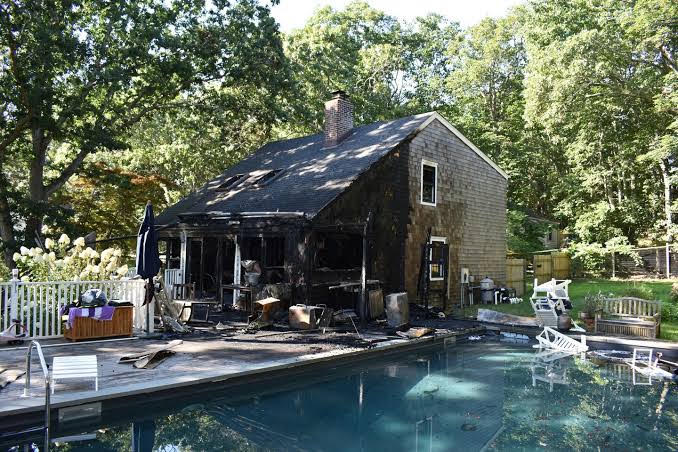

As of October 1, 2026, every short-term rental in Maryland must meet new statewide fire safety standards. The law, called the Jillian and Lindsay Wiener Short-Term Rental Safety Act (HB 1221 / SB624), was signed on April 14, 2026. It is named for two Potomac sisters who died in a 2022 vacation rental fire where no smoke alarms were heard.

Who it applies to
Any house, apartment, condo, co-op, or room rented for less than 30 consecutive days. The responsibility falls on the host, meaning whoever legally holds the unit and rents it to guests, including operators on a master lease.
What every host must have
1. An evacuation diagram posted where guests can see it, showing all exits from the unit (and the building, for condos and apartments).
2. Emergency phone numbers posted for police and fire rescue.
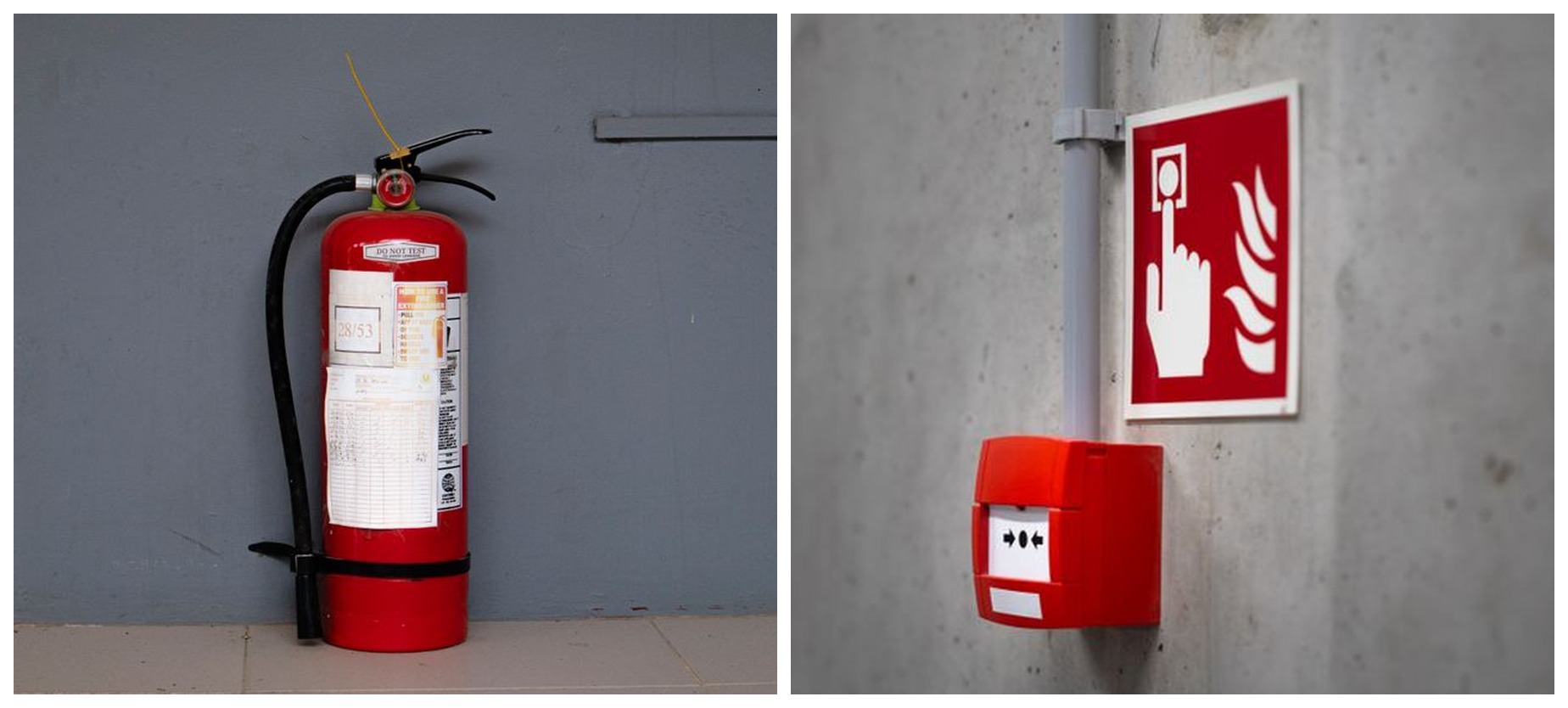
3. A working fire extinguisher.
4. Working smoke alarms and carbon monoxide alarms, installed to state, county, and local fire codes.
Alarm rules to check closely:
• If more than one smoke alarm is required, they must be interconnected so one sets off all ofthem.
• Smoke alarms must be loud enough to hear in every bedroom with the doors closed.
• Replace any alarm that has stopped working, is more than 10 years old, or has no production date on the back.
What Airbnb, Vrbo, and other platforms must do
Booking platforms must notify Maryland hosts about these rules and require each host to submit proof of compliance for every unit.
Annual inspections are coming
By July 1, 2028, every county and Baltimore City that allows short-term rentals must require an annual fire safety inspection of each unit. Counties may charge an inspection fee and may use certified third-party inspectors. Units that pass receive a certificate of compliance, which is the proof platforms will ask for.
Key dates
October 1, 2026 - Host safety requirements and platform duties take effect
July 1, 2028 - Deadline for counties to require annual STR inspections
Quick compliance checklist
• ☐ Post an evacuation diagram and emergency numbers
• ☐ Place a working fire extinguisher in the unit
• ☐ Confirm smoke and CO alarms meet your local fire code
• ☐ Test that interconnected alarms all sound together and can be heard with bedroom doors shut
• ☐ Check the date on every alarm and replace old or undated ones
• ☐ Photograph everything and keep a dated record for inspections and platforms
The bottom line
These are basic, low-cost upgrades, and they give your listing a real edge with safety-minded guests. Hosts who get compliant and documented now will be ready when their county's inspections begin, while others scramble.
This article is general information, not legal advice. Check with your county or city for any additional local requirements.
Source: Maryland General Assembly, HB 1221 (Chapter 9, 2026)
.jpg)


.png)


.jpg)
.jpg)
.jpg)
.png)