Oops! Something went wrong while submitting the form.
Oops! Something went wrong while submitting the form.
.png)

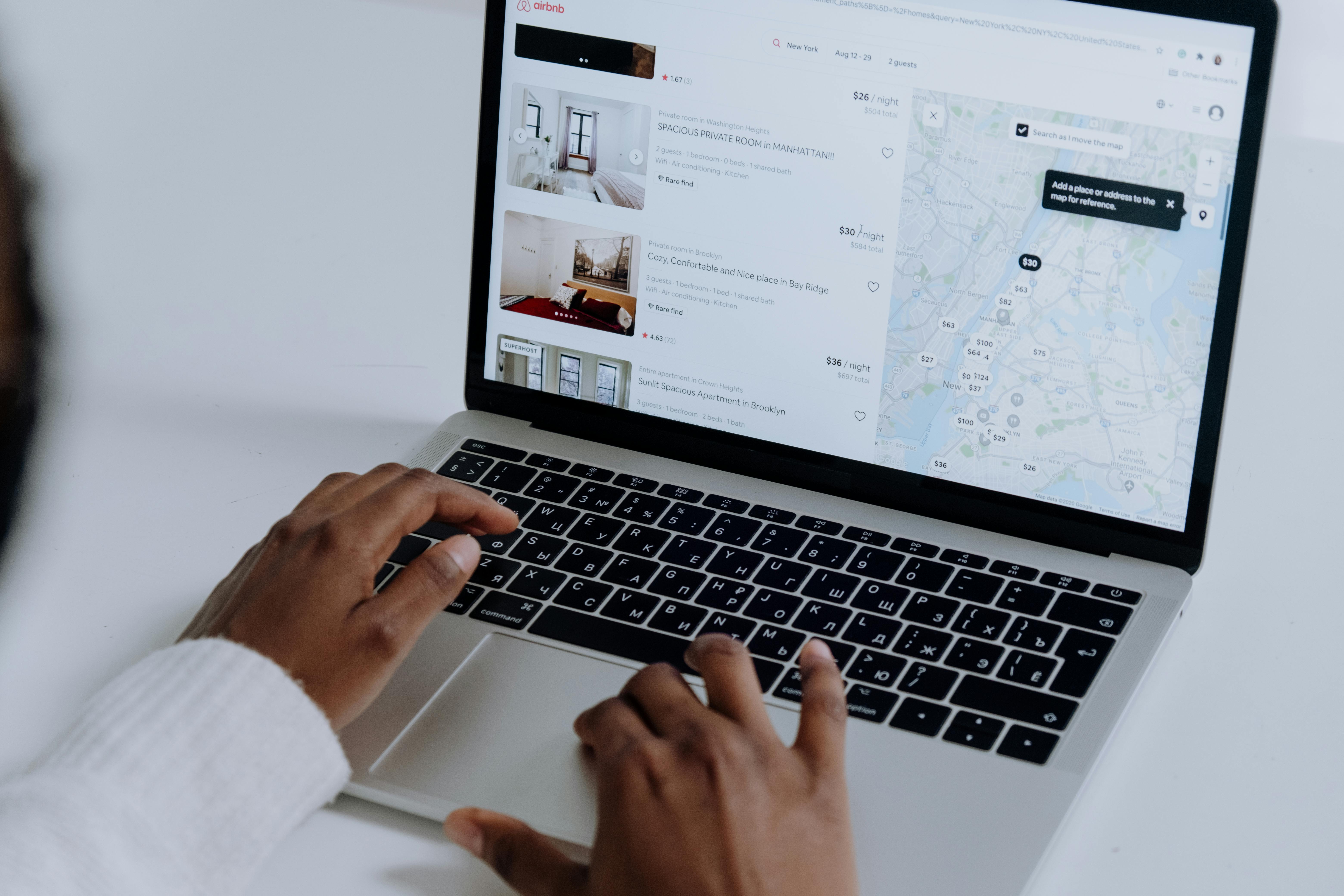
So, you're an Airbnb host in Florida? Congratulations on diving into the bustling world of short-term rentals! But let's be real for a second: taxes can feel like the elephant in the room. No one wants to deal with them, but they're part of the package. The good news? It's manageable once you understand the basics. Here’s a detailed breakdown to help you navigate the tax maze without losing your sanity.
Running an Airbnb comes with responsibilities, including paying taxes. In Florida, you’ll face several types, including state, local, and federal obligations. Here’s the scoop:
Florida’s state sales tax is 6% on short-term rentals (anything less than six months). On top of that, many counties charge a Discretionary Sales Surtax, which varies. For instance, in Broward County, the surtax adds 1%, bumping the total to 7%. Guests pay this tax, but you’re responsible for collecting and remitting it.
Let’s say you’re renting out a beachside condo in Fort Lauderdale for $200 a night. If the total tax rate is 7%, the tax would be $14 per night. Over a week-long stay, that’s $98 in taxes you’ll need to account for.
Also called the "bed tax," this applies to short-term rentals in most Florida counties. The rate ranges from 3% to 6%, depending on where your property is located. For example:
This tax aims to support local tourism efforts. Like sales tax, you’ll collect this from guests and pass it on to the county.
Before you start hosting, you’ll need to register with the Florida Department of Revenue (DOR). This step is non-negotiable. Here’s what you’ll need:
This registration allows you to collect and remit taxes properly. Skipping it? That’s like leaving the front door wide open—you’re inviting trouble.
Airbnb simplifies things by collecting some taxes on your behalf. In many Florida counties, Airbnb automatically collects and remits sales and tourist taxes. But don’t assume this covers everything. Check your county’s requirements—you may still need to handle some taxes yourself.
If Airbnb collects the state sales tax but not the local bed tax, you’ll be responsible for remitting the latter. Double-check your account settings to see what Airbnb is handling for you.
Your Airbnb earnings are considered income by the IRS. That means Uncle Sam wants his share. Here’s the breakdown:
Pro Tip: Keep track of your expenses—like cleaning fees, maintenance, and supplies. These deductions can significantly reduce your taxable income.
Florida’s tax landscape isn’t one-size-fits-all. Each county has its quirks. For instance:
Be sure to check with local authorities to understand your exact obligations.
Let’s not sugarcoat it: skipping taxes can lead to serious consequences, including fines and back payments. A 2023 study revealed that 70% of new Airbnb hosts underestimated their tax obligations, leading to penalties averaging $1,000 per year. Don’t be part of that statistic. Compliance isn’t just about avoiding penalties; it’s about peace of mind.
Yes and no. Airbnb may handle some taxes, but you’re still responsible for others. Always double-check.
Absolutely. Expenses like cleaning fees, utilities, and even mortgage interest can be deducted. Keep receipts and records for everything.
Rentals over six months are usually exempt from sales and tourist taxes in Florida. Be sure to classify these correctly.
Check with your local tax collector’s office or visit Florida Revenue’s website for details.
Even occasional rentals are subject to taxes. The same rules apply whether you’re renting a vacation home or your spare bedroom.
So, what taxes do Airbnb hosts need to pay in Florida? The answer boils down to sales tax, tourist development tax, and federal income tax. Staying compliant might sound like a chore, but with the right tools and knowledge, it’s totally doable. Trust me, getting ahead of taxes is way less stressful than playing catch-up.
Want more tips on making the most of your Airbnb hosting journey? Check out our guides on property management, guest experience, and financial planning.

.jpg)
.jpg)
.jpg)
.jpg)


.png)

