Oops! Something went wrong while submitting the form.
Oops! Something went wrong while submitting the form.
.png)

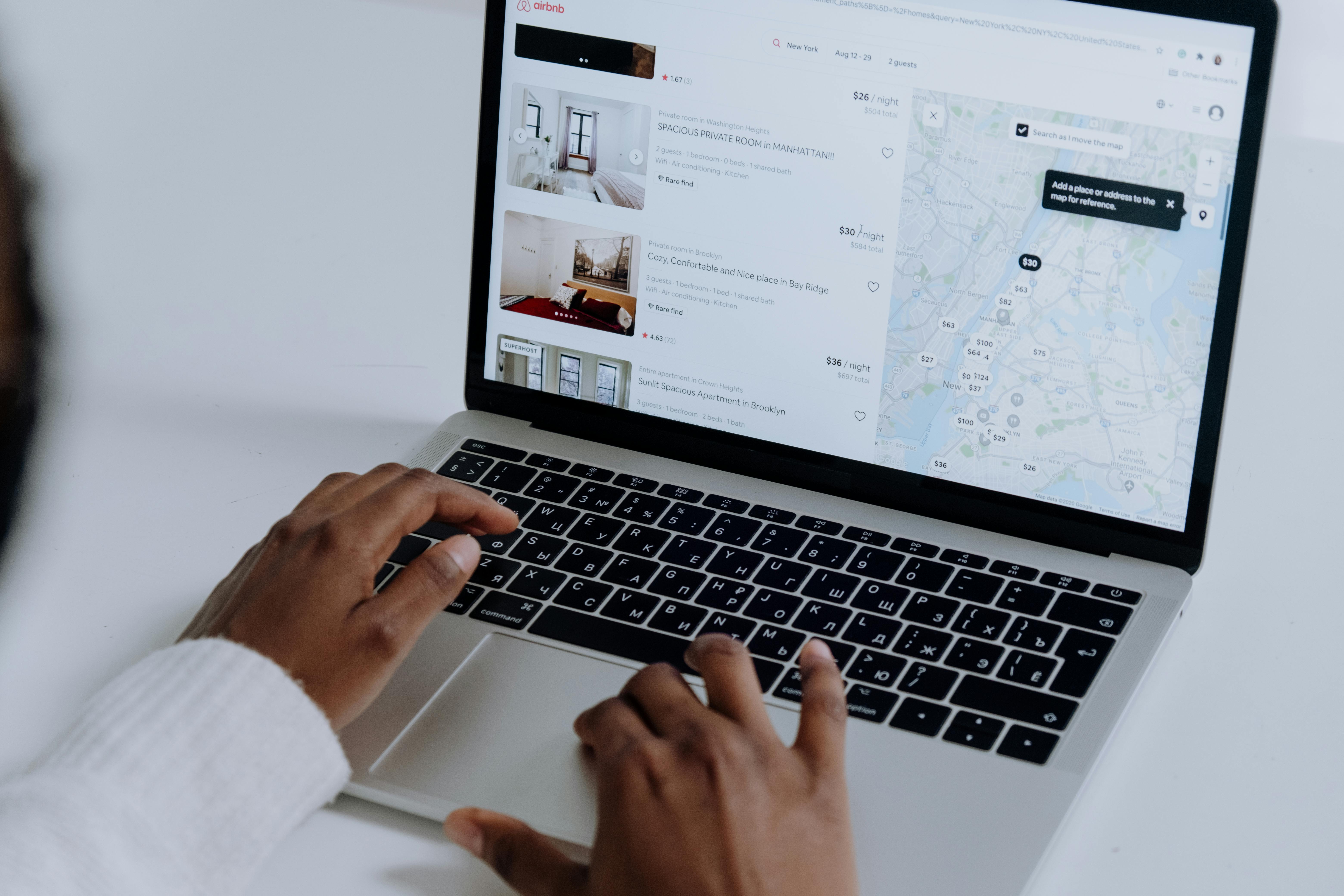

You followed the rules. The guest didn’t. But now your listing’s in trouble, your reviews are wrecked, and Airbnb won’t help.
Sound familiar?
Bad guests don’t just damage property—they damage your reputation. And once a 1-star review hits your page, recovery is slow. Superhost status? Gone. Bookings? Slashed. All because you enforced your own rules.
Here’s how to stop that from happening again.
Don’t trust pretty profiles or a polite tone. Set filters. Ask questions. Watch for inconsistencies.
Require ID, profile picture, and verified info
Only allow guests with previous positive reviews
Ask: “What brings you to town?”
Use strict Instant Book settings or turn it off entirely
Most bad bookings can be avoided before they start.
Guests can’t follow what they don’t see.
Post printed rules in high-traffic areas (fridge, entryway)
Highlight rules in your welcome message
Remind guests at check-in
Use noise sensors and smart locks to enforce policies discreetly
Key rules to include:
No parties
No smoking
No unregistered guests
No pets unless approved
Quiet hours (set a specific time)
Smart tools = early warnings.
NoiseAware / Minut: alerts you when volume spikes
Smart locks: track and limit access
Outdoor cameras: watch for extra guests or rule violations
Don’t wait for a neighbor to tell you something’s wrong. See it first.
Sometimes guests look great on paper but go sideways after check-in. Signs to monitor:
Unexpected noise at night
Excessive trash
Neighbors complaining
Address early. A polite message goes a long way: “Hey, just a reminder about the house rules you agreed to…”
If things go south, protect yourself:
Take photos/videos as soon as you find damage
File a claim via Airbnb within 14 days (or before next check-in)
Keep all chat logs with the guest
No evidence = no reimbursement. Be thorough. Be quick.
The worst part? Even if Airbnb agrees with you and pays you back, the guest can still nuke your reviews.
What to do:
Respond publicly, professionally: state facts, not feelings
Mention Airbnb’s reimbursement as proof of the issue
Don’t insult the guest, ever
Request removal ONCE. If denied, call support and ask for a senior case manager
If all else fails, escalate through Community Support or host forums
You have options:
Ask for a supervisor or senior case agent
Escalate through Airbnb’s Ambassador or Host Community
File a complaint with their CEO’s office
If the review is clearly false or violates policy, consider legal steps
Some hosts have won cases after weeks of persistence. Others decide it’s not worth the hit. Know what you're willing to fight for.
Don’t assume the platform has your back. Some hosts report sudden drops in visibility after filing claims—often referred to as shadow bans.
Before you escalate:
Consider how it could affect your bookings
Weigh the damage vs. the cost of exposure
Use your discretion: file with confidence or solve it quietly
You can’t delete a bad review. But your public reply is your defense:
“This guest broke multiple house rules, including smoking indoors and causing property damage. Airbnb has reimbursed us. We won’t host this guest again.”
Short, factual, and clear. Future guests will appreciate it.
One platform = one point of failure.
Build a direct booking site
List on Vrbo, Booking.com, and niche platforms
Create a newsletter or loyalty program for past guests
The less dependent you are, the more power you keep.
This is your income. Your asset. Your livelihood.
Bad guests and bad reviews are more than annoyances—they’re threats. Stay ahead of the game:
Screen smart
Enforce rules
Document everything
Respond like a business owner, not a victim
Want help staying compliant with evolving rental laws and permit requirements? Tools like Lodge Compliance offer automated insights, deadline tracking, and platform integrations—so you’re not blindsided by new rules or slow support.
Get access to Lodge Compliance and protect your business where Airbnb won’t.
.jpg)


.png)


.jpg)
.jpg)
.jpg)