Oops! Something went wrong while submitting the form.
Oops! Something went wrong while submitting the form.
.png)

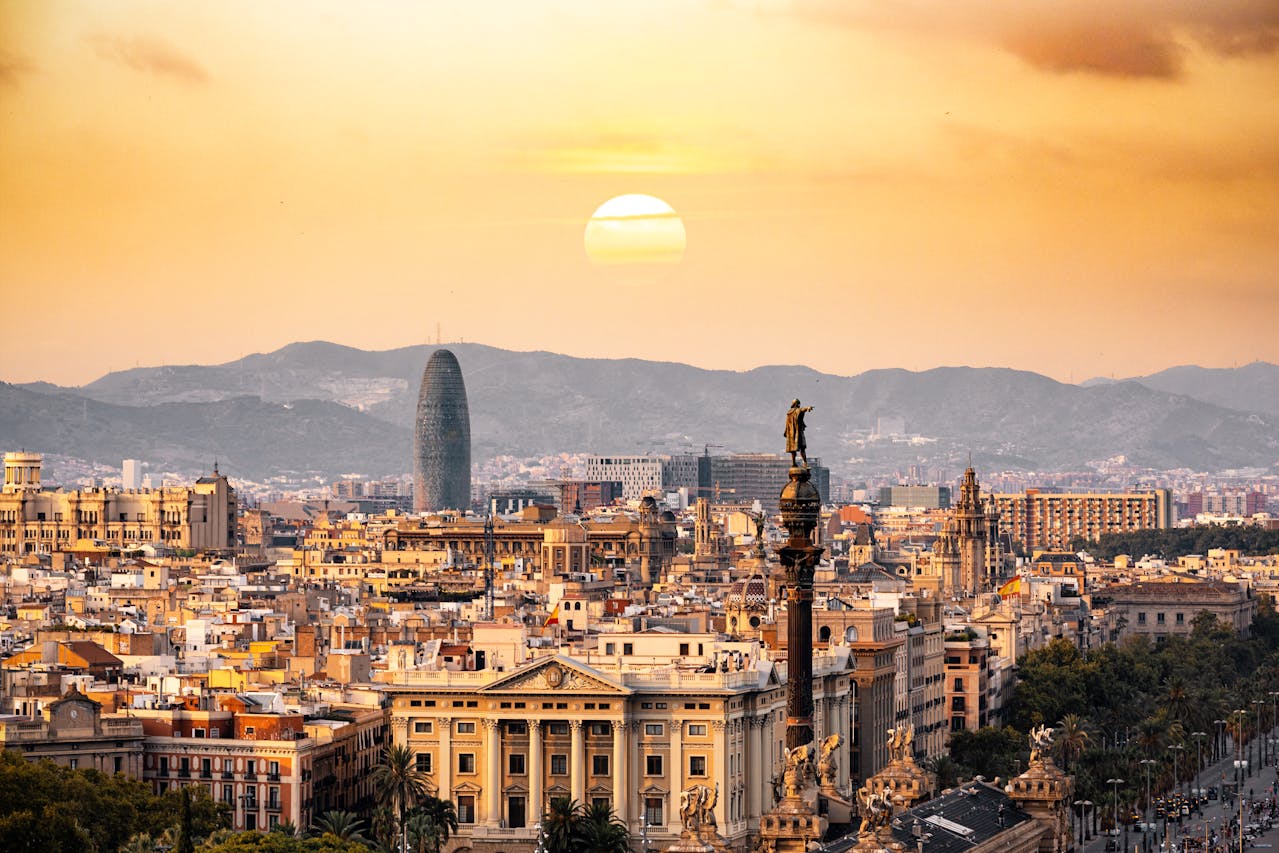

In a sweeping move to address its deepening housing crisis, Spain has ordered Airbnb to remove nearly 66,000 short-term rental listings across the country. The enforcement, confirmed on May 20, 2025, represents one of Europe’s most aggressive crackdowns on illegal vacation rentals and marks a pivotal moment in the growing clash between tourism and residential housing rights.
The directive, issued by the Ministry of Consumer Affairs, targets properties that violate national and regional short-stay regulations. Violations include:
A Madrid high court has backed the enforcement, allowing Spain to begin immediate takedowns. The first wave includes 5,800 listings, with thousands more expected to follow in the coming weeks.
The Spain Airbnb listing crackdown comes amid rising public frustration over housing affordability, particularly in urban and coastal regions. Residents in cities like Barcelona, Madrid, Valencia, and Palma de Mallorca have long blamed the explosion of short-term rentals for driving up rents and reducing available long-term housing.
Consumer Affairs Minister Pablo Bustinduy described the crackdown as a step to protect Spain’s “constitutional right to housing.” He stressed that economic interests must not undermine community stability and affordability.
In Spain, short-term tourist rentals are known as “viviendas turísticas.” These units are legally required to meet specific licensing, tax, and registration standards—which vary by region. However, thousands of listings on Airbnb reportedly fail to meet those standards, often bypassing local restrictions or mislabeling properties to avoid detection.
The latest data reveals tens of thousands of listings did not comply, prompting the government’s decision to intervene and restore rental properties to the long-term housing market.
Spain’s rental market has been under pressure for years. In tourism hotspots, locals are often priced out as investors convert residential buildings into high-yield holiday rentals. Protests and political campaigns have escalated in cities like Malaga and Barcelona, where residents demand tighter regulation of platforms like Airbnb.
The result: growing support for stronger housing protections and city-led initiatives to limit the influence of mass tourism on urban life.
Airbnb has vowed to appeal the ruling, claiming the ministry used broad definitions of non-compliance that included legitimate hosts. The platform insists that regional laws are often inconsistent, and some flagged listings may not legally require a license.
Despite the pushback, Spanish authorities are moving forward, and additional enforcement measures are expected as the case evolves.
If you operate an Airbnb in Spain, now is the time to review your legal status. Hosts must:
Cities like Barcelona, Seville, Madrid, and Valencia are under intense scrutiny, and enforcement is expected to increase in the coming months.
Separately, Barcelona has announced plans to eliminate all 10,000 legal tourist apartments by 2028. The city aims to free up housing for permanent residents and shift away from tourism dependency. As one of Europe’s most visited cities, Barcelona’s strategy could set a precedent for others.
Tourists may see fewer Airbnb options in popular cities and potentially higher prices for remaining listings. However, licensed hotels, guesthouses, and compliant tourist rentals will still be available. Travelers are advised to:
The Spain Airbnb listing crackdown could spark similar actions in other European cities facing housing shortages. Amsterdam, Lisbon, and Berlin have already tightened STR laws. Now, all eyes are on whether Spain’s bold enforcement will shape future regulations across the EU.
At Lodge Compliance, we help Airbnb hosts and property managers stay on the right side of local and national laws. From licensing and tax registration to platform compliance, we handle the details—so you can focus on hosting.
👉 Get expert support for your Airbnb listing in Spain
.jpg)


.png)


.jpg)
.jpg)
.jpg)