Oops! Something went wrong while submitting the form.
Oops! Something went wrong while submitting the form.
.png)

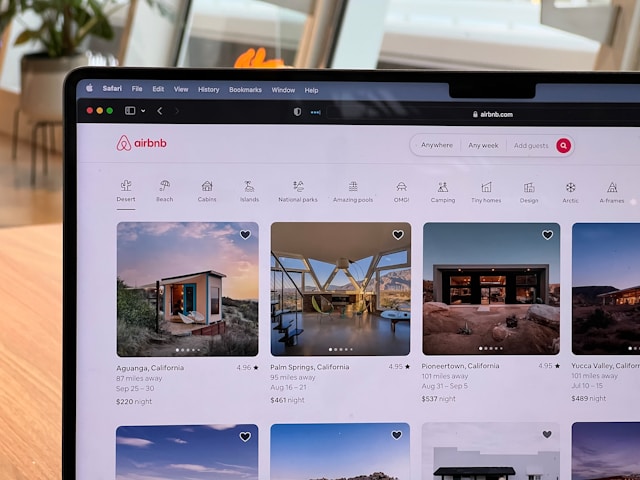
So, you’ve got a property in Miami and you’re ready to jump into the short-term rental game. Great idea! But before you list your place on Airbnb, you’ll need to secure the proper permits. Trust me, skipping this step isn’t worth the headache. Miami has strict rules for short-term rentals, and getting compliant is your best move. Here’s everything you need to know about how to apply for an Airbnb permit in Miami.
First things first—make sure your property qualifies for short-term rentals. Miami’s zoning laws are no joke. The city’s "Miami 21 Zoning Code" determines where short-term rentals are allowed. For example, properties in residential zones might be restricted, while those in commercial or mixed-use zones often have more flexibility.
Here’s what to do:
Not in the right zone? Unfortunately, you’re out of luck unless the city updates its policies.
Every short-term rental in Florida needs this license. It’s issued by the Florida Department of Business and Professional Regulation (DBPR).
Here’s what you’ll need:
You can apply online through the DBPR website or mail in your application. Approval usually takes a couple of weeks.
Next up, the Certificate of Use. Think of this as Miami-Dade County’s official approval to use your property as a rental.
Steps to get it:
Pro tip: Don’t forget to include any required fire safety measures (like smoke detectors and fire extinguishers). Failing the inspection will delay your application.
Once you have the CU, it’s time for the Business Tax Receipt. This is basically a city-issued license that lets you operate your Airbnb as a business.
Here’s what’s required:
If your property is in the City of Miami, apply through their online portal. If it’s in Miami Beach, use their separate application process. Fees vary, but expect to pay around $150 to $300 annually.
Now that you’re fully licensed, you can officially list your property on Airbnb. The platform requires:
Log in to your Airbnb host account and upload these details under your property’s listing information. This ensures you’re operating legally.
Once your listing is live, you’re not done yet. Miami requires ongoing compliance to keep your permits valid.
Here’s how to stay on top of it:
Failing to comply could lead to hefty fines or even losing your permits.
It depends. The Florida Vacation Rental Dwelling License takes about 2 weeks. The Certificate of Use and Business Tax Receipt can add another 2-3 weeks, depending on inspections and paperwork.
Yes, but you’ll need written permission from the property owner and a copy of the lease agreement.
Absolutely. Fines start at $500 per violation and can go up to $20,000 for repeat offenders. Don’t risk it.
Yes. Even if you have all the permits, your Homeowners Association (HOA) can restrict short-term rentals. Check their rules first.
Getting an Airbnb permit in Miami might seem like a lot of work, but it’s a necessary step. By following the process outlined above, you’ll avoid fines and ensure your listing stays active. Plus, once everything is set up, you can focus on hosting and earning—legally. Ready to get started? Go check your zoning and start your applications today!

.jpg)
.jpg)
.jpg)
.jpg)


.png)

