Oops! Something went wrong while submitting the form.
Oops! Something went wrong while submitting the form.
.png)

If you’ve ever hosted on Airbnb in Virginia, you’ve likely wondered, “How do I report Airbnb income in Virginia?” This isn’t just a question for tax season – it’s a real concern for anyone earning from short-term rentals. Let me help you untangle this topic so you can feel confident when it’s time to report your earnings.
Taxes might feel like a chore, but when it comes to earning on Airbnb, keeping things above board isn’t just about legal compliance – it’s about avoiding penalties and making the most of deductions you’re entitled to. Virginia has specific rules for short-term rentals, and as a host, you’re essentially a small business owner. It’s exciting but comes with responsibilities.
Virginia has local regulations for short-term rentals, so the first thing you’ll need to check is whether your locality requires a business license or permit. Here’s what to know:
Before listing your property, visit your local government’s website or give their office a call. Avoid costly fines for skipping this step!
Virginia hosts are required to collect taxes from their guests, which often include:
Most platforms, including Airbnb, handle tax collection for you. For example, if you’re hosting in Richmond, Airbnb adds these taxes to the guest’s booking fee and remits them to the proper authorities. But don’t assume this is automatic everywhere – double-check your listing’s tax settings.
Let’s get real: managing income and expenses can feel overwhelming. But staying organized is half the battle. Here’s how:
Apps like QuickBooks or Wave can automate income tracking and categorize expenses. Trust me, future you will thank you.
When tax season rolls around, reporting Airbnb income is straightforward – if you’ve been keeping good records. Here’s the lowdown:
Imagine you earned $15,000 from hosting in 2023. Your expenses totaled $5,000. You’d only pay taxes on the $10,000 net profit. That’s a big difference, right?
In addition to federal taxes, Virginia expects its cut too. Here’s what to do:
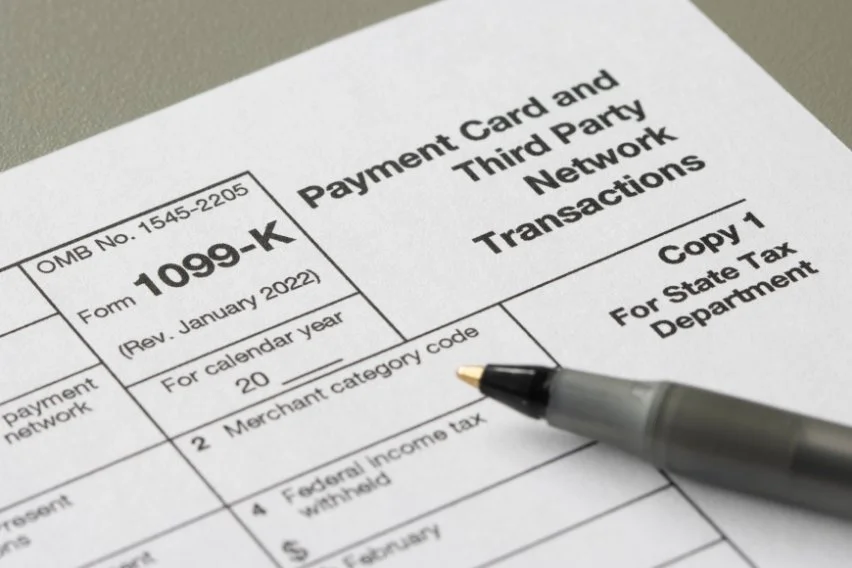
Yes. The IRS requires you to report all income, no matter how small. However, if you’re under the $600 threshold, Airbnb might not send a 1099 form.
Absolutely, but there’s a catch. Big-ticket items like furniture are usually depreciated over several years rather than deducted in full.
You can still deduct a portion of expenses like utilities, but you’ll need to calculate the percentage of your home used for hosting.
Reporting Airbnb income in Virginia might seem daunting, but with the right steps, it’s manageable. From licenses to tax forms, staying organized is key. Remember, hosting isn’t just about earning – it’s about creating a great experience for your guests and peace of mind for yourself. Got questions or tips? Share them below – let’s keep the conversation going!

.jpg)
.jpg)
.jpg)
.jpg)


.png)

